


What customers say about SCS
For us SCS’s technology is a breakthrough technology because it gives us results from the engine’s test, which we could achieve by no other methods in the past.
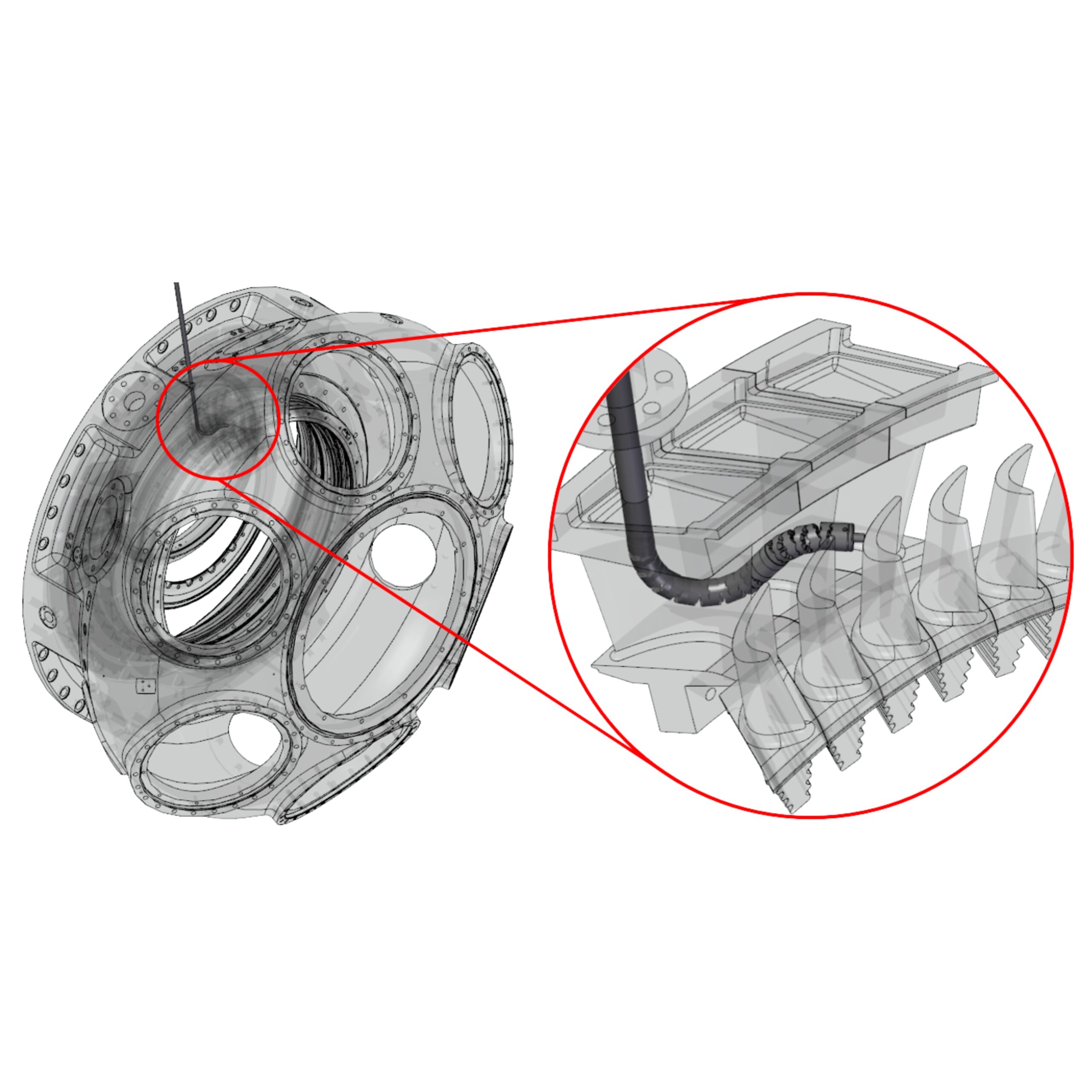
Towards On-Engine Surface Temperature Measurements Using Continuum Robots and Thermal History Coatings
This work presents a novel, non-intrusive approach to on-engine thermal mapping, combining continuum robotics with advanced thermal history coatings. The result is accurate, high-resolution diagnostics without the need for engine disassembly – unlocking new possibilities for efficiency, reliability, and performance in demanding engine environments.
The paper was presented at ASME Turbo Expo 2026: Turbomachinery Technical Conference and Exposition, GT2026, June 15-19, Milan, Italy, GT2026-178089
Link to ASME purchase: Coming soon!
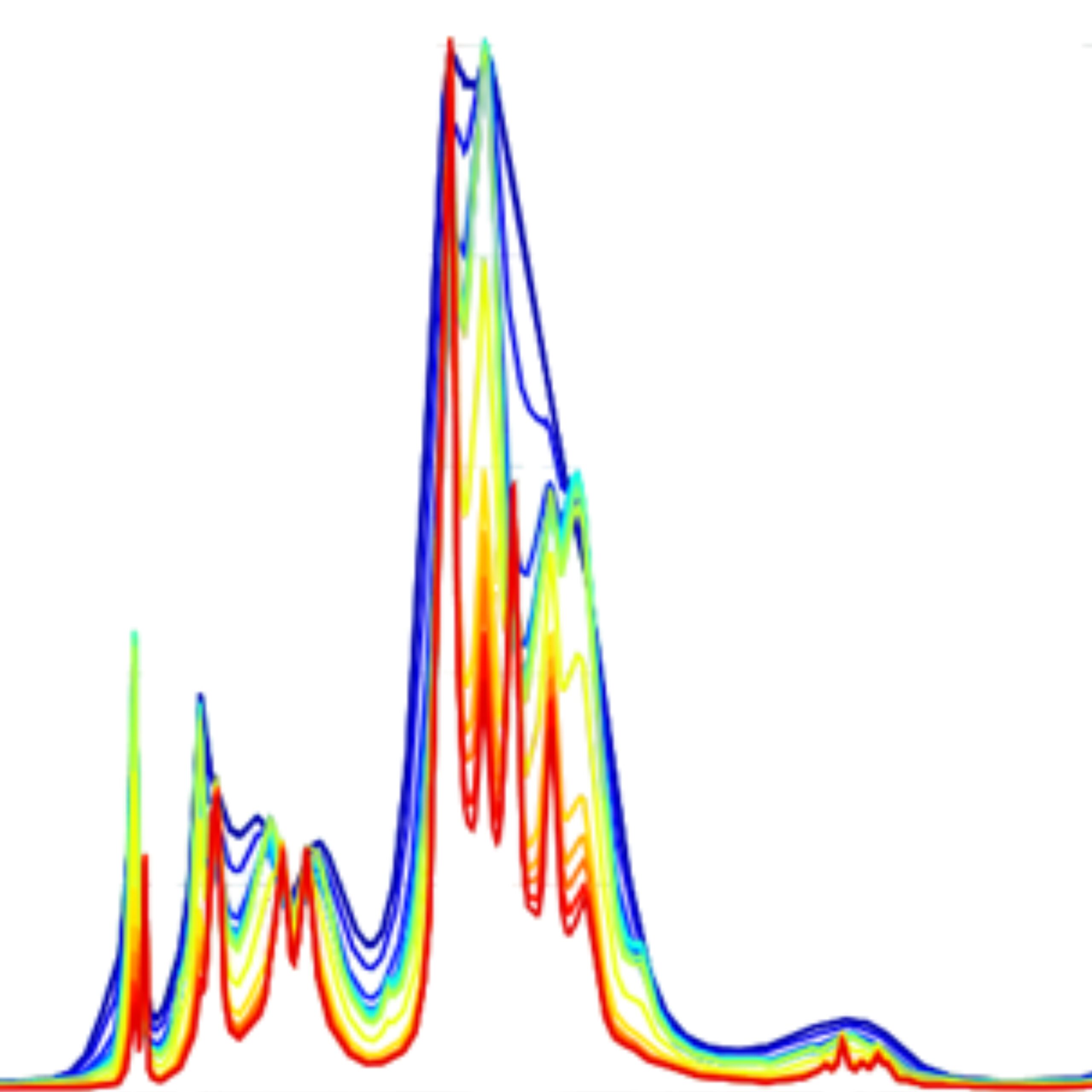
On the Uncertainty of Luminescent Spectra Calibration of Thermal History Coatings at High Temperatures
This work explores advancing the understanding of photoluminescent Thermal History Coatings (THCs) used for post-operation thermal mapping in extreme gas turbine environments. It establishes a quantified uncertainty framework and identifies optimised spectral parameters, helping to improve the reliability and accuracy of temperature measurements in high-temperature applications.
The paper was presented at ASME Turbo Expo 2026: Turbomachinery Technical Conference and Exposition, GT2026, June 15-19, Milan, Italy, GT2026-177344
Link to ASME purchase: Coming soon!
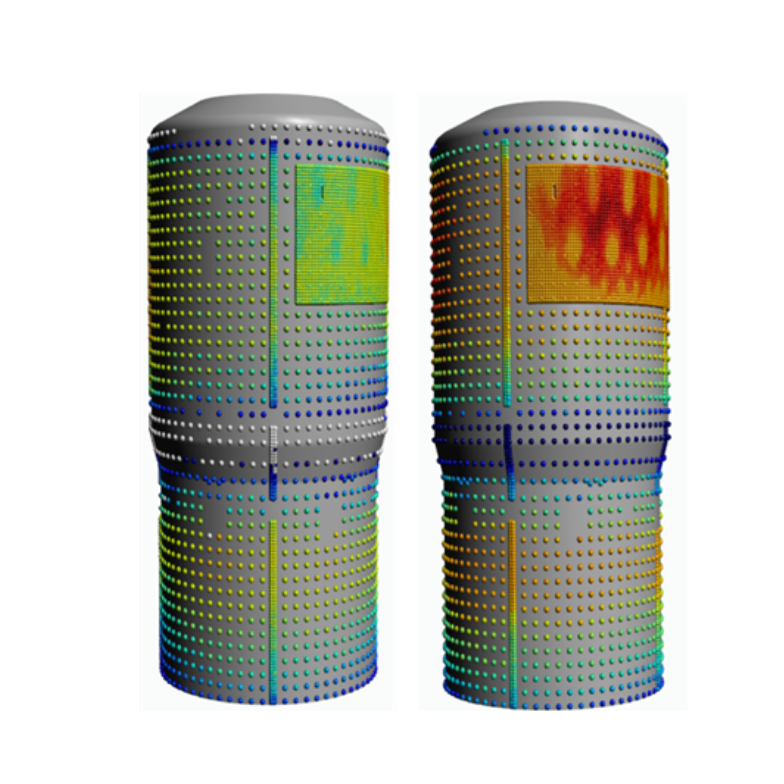
Utilising thermal history coatings for the assessment of hydrogen fuel on combustor temperatures
In this work, wall temperatures for two flame tubes in a radial 2MW gas turbine (tested at Destinus Energy) were measured comparing fuels (natural gas vs natural gas-hydrogen mix) with no design, fuel injection or cooling modifications.Temperatures were measured using Thermal History Coatings (THCs), applied for the first time on a combustor with hydrogen fuel. THCs relay past temperatures through luminescent measurements, output in high-resolution digitized format. Here, an improved analysis methodology for THCs was employed.
The paper was presented at ASME Turbo Expo 2025: Turbomachinery Technical Conference and Exposition, GT2025, June 16-20, Memphis, Tennessee, GT2025-152181
Link to ASME purchase: https://asmedigitalcollection.asme.org/GT/proceedings-abstract/GT2025/88810/V005T11A003/1220375
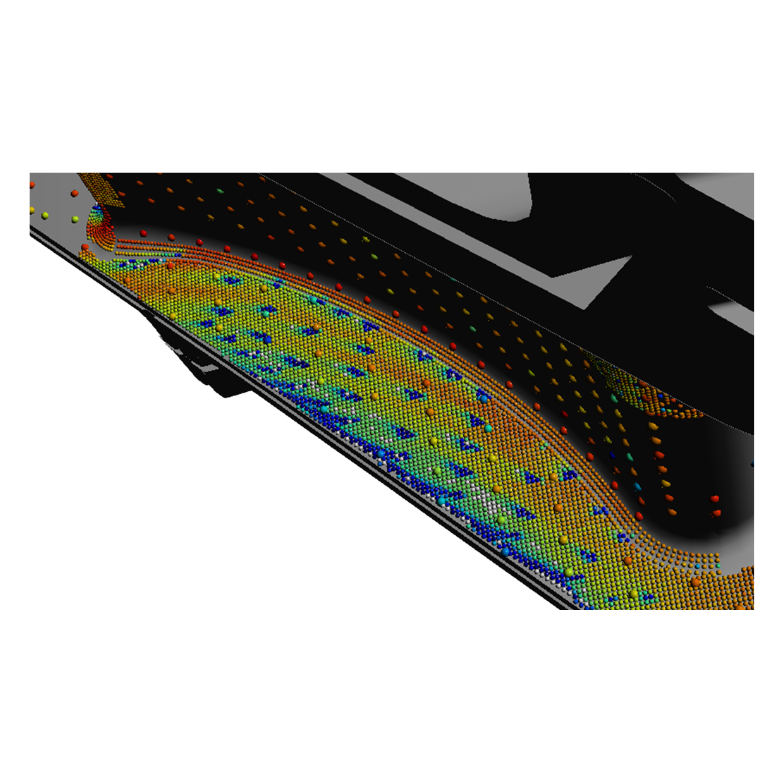
Unique high resolution temperature mapping of stage 1 turbine vane in a long-term engine test.
In this study, surface temperature maps, resulting from a long-term engine test, were evaluated on a stage 1 turbine vane using Thermal History Coatings (THCs). THCs are ceramic-type sensor coatings doped with a lanthanide ion, giving the coating photoluminescent properties. The THC’s structure permanently changes when exposed to high temperatures, which in turn alters its photoluminescent properties. Therefore, historic maximum temperature maps are evaluated by optically probing the THC point-by-point across the vane’s surface.
The paper was presented at ASME Turbo Expo 2024: Turbomachinery Technical Conference and Exposition, GT2024, June 24-28, 2024, London, UK, GT2024-126737.
Link to ASME purchase:
https://asmedigitalcollection.asme.org/GT/proceedings-abstract/GT2024/88094/V013T13A025/1204890
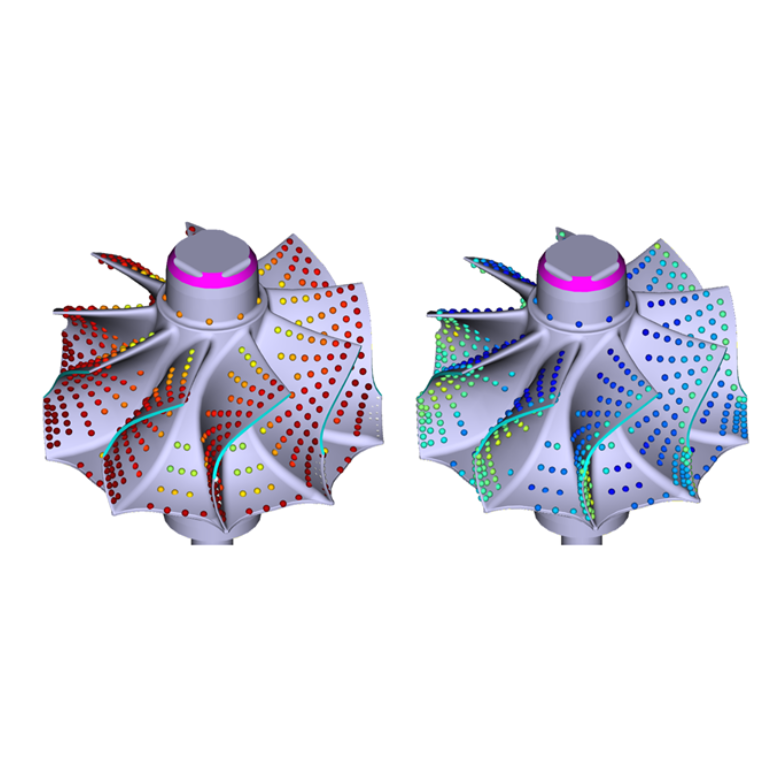
Mapping maximum exposure temperatures on automotive turbocharger wheels using thermal history coatings.
In this study, surface temperature maps of three turbocharger turbine wheels subject to three different tests, were generated using Thermal History Coatings (THCs). THCs are ceramic-based sensor coatings doped with a luminescent ingredient and the coating luminescence permanently changes with temperature. Therefore, THCs can be used to assess temperatures post-test (i.e. offline). A parallel study was performed to optimize the THC application to the turbine wheels because of their complex geometry by deliberately altering the THC application parameters between the three wheels. An initial comparison of the THC data to Conjugate Heat Transfer (CHT) simulations of each test was also made.
The paper was presented at ASME Turbo Expo 2024: Turbomachinery Technical Conference and Exposition, GT2024, June 24-28, 2024, London, UK, GT2024-122285.
Link to ASME purchase:
https://asmedigitalcollection.asme.org/GT/proceedings-abstract/GT2024/88018/V009T18A007/1204412
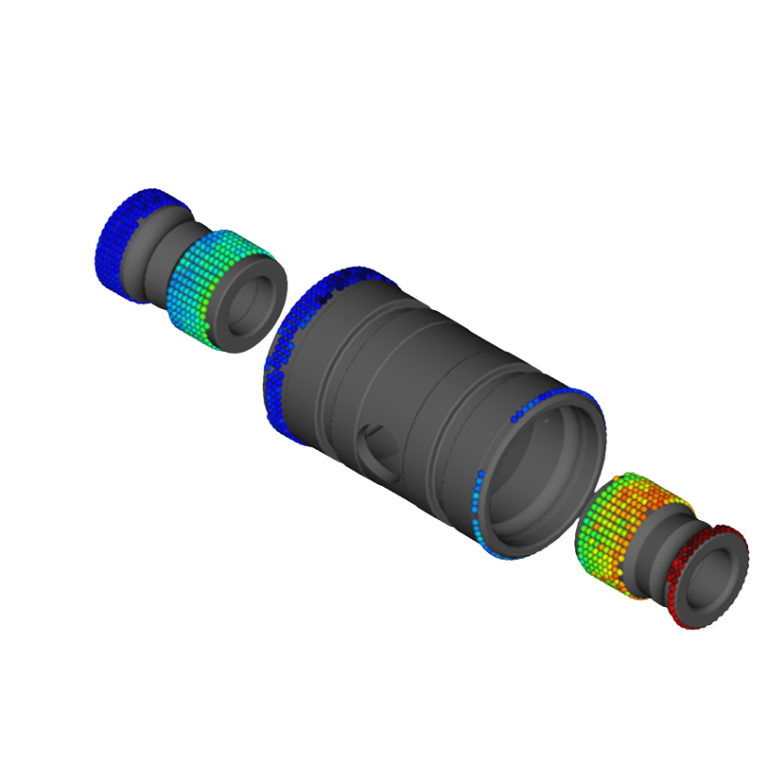
Mapping temperatures on turbo charger bearing cartridge assemblies using thermal history paints.
In this study, temperatures were mapped on four off turbocharger bearing cartridges, each subject to four different gas-stand tests using Thermal History Paints (THPs). The temperature maps were used to inform initial axial end play settings (and resulting mounted end play) for proper turbocharger performance. THPs are ceramic-derived sensor coatings doped with a lanthanide ion, giving the THP luminescent properties. Exposure to temperatures permanently alters the THP’s luminescent properties. Therefore, by optically probing the THP across the painted bearing cartridge surfaces to trigger its luminescence, historic maximum exposure temperatures maps were evaluated.
The paper was presented at ASME Turbo Expo 2024: Turbomachinery Technical Conference and Exposition, GT2024, June 24-28, 2024, London, UK, GT2024-126715.
Link to ASME purchase:
https://asmedigitalcollection.asme.org/GT/proceedings-abstract/GT2024/88018/V009T18A017/1204437
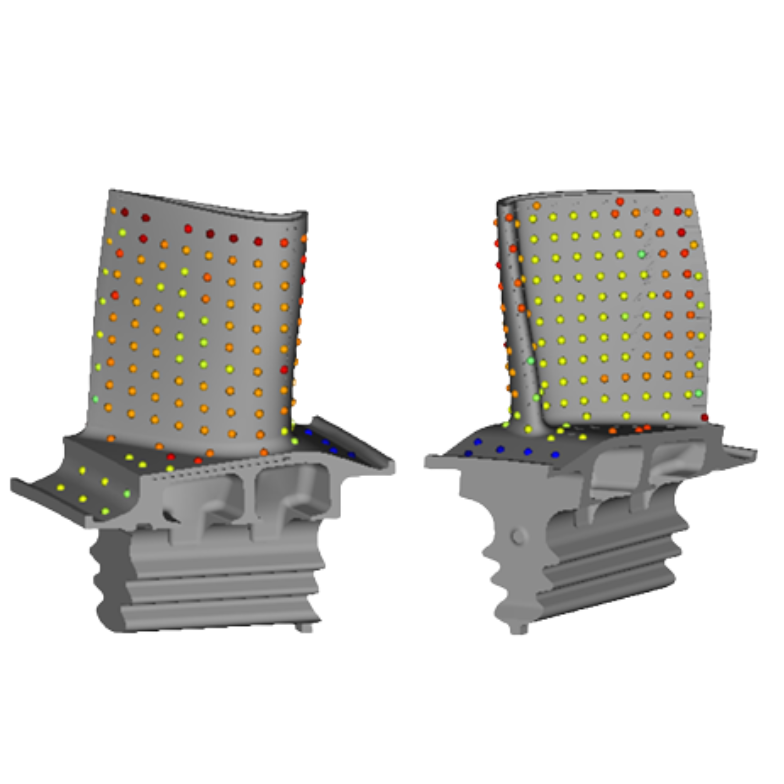
POWER GENERATION/AEROSPACE — Validation of Thermal History Coating Technology on Two Stage-One Turbine Blades
‘A novel advanced off-line temperature mapping technology has been developed entitled Thermal History Coating (THC). This paper for the first time ever compares traditional measurement technologies and modelled data after a dedicated one-hour engine test…’
The paper was presented at ASME Turbo Expo 2023: Turbomachinery Technical Conference and Exposition, GT2023, June 26-30, 2023, Boston, MA, GT2023-101708.
Link to ASME purchase:
https://asmedigitalcollection.asme.org/GT/proceedings-abstract/GT2023/86977/1167986
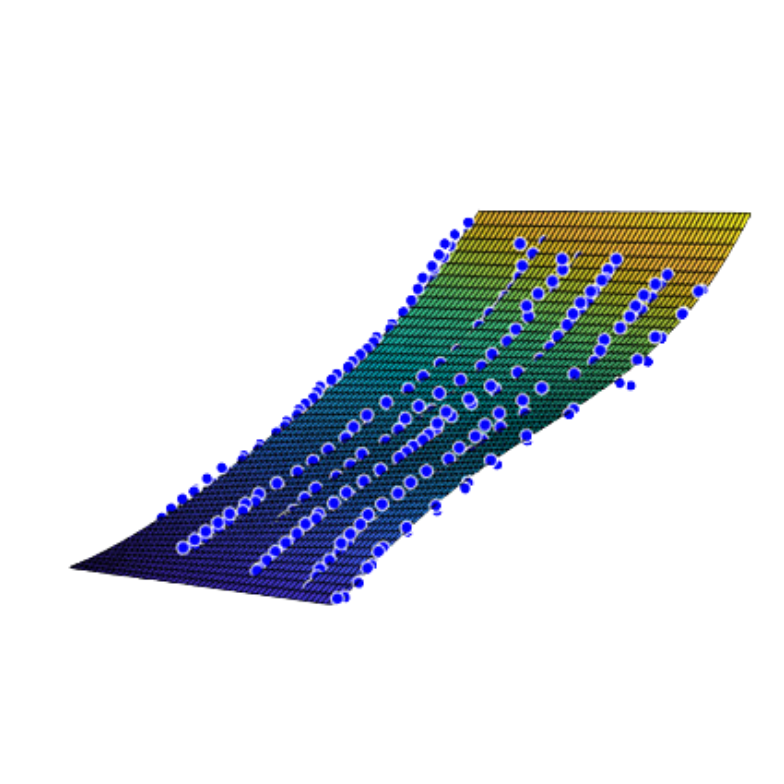
MAINTENANCE/SERVICE — Feasibility of the Use of Thermal History Paints for Long Term Exposure in Low Temperature Life Critical Components
‘Thermal History Paint (THP) is a new technique used to measure temperature in the harsh operating conditions inside gas turbines or other machinery.
This paper provides the first investigation into the behaviour of the THP for extended operational exposures, with rotor discs as an example application. The objective was to understand whether the THP could be used for temperature measurements after such long exposures and, if so, how it would be calibrated.’
The paper was presented at ASME Turbo Expo 2023: Turbomachinery Technical Conference and Exposition, GT2023, June 26-30, 2023, Boston, MA, GT2023-102277.
Link to ASME purchase:
https://asmedigitalcollection.asme.org/GT/proceedings-abstract/GT2023/86977/1167981
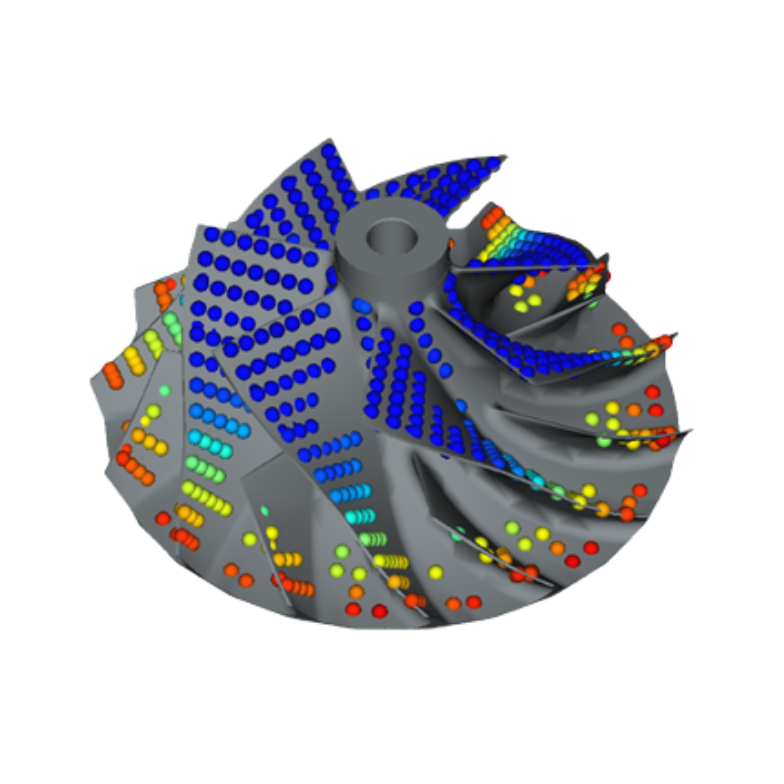
AUTOMOTIVE —Advanced Thermal Profiling of Turbocharger Compressor Wheels Using Phosphorescence Thermal History Coatings
‘Compliance towards future emissions legislation requires internal combustion engines (ICE) to utilize highly efficient combustion concepts (e.g. Miller cycle), which, are often associated with increased boost pressure requirements, leading to increased mechanical stress on turbocharger components.’
The paper was published in the Proceedings of ASME Turbo Expo 2022: Turbomachinery Technical Conference and Exposition, June 13 – 17, 2022, Rotterdam, Netherlands, GT2022-80820.
Link to ASME purchase:
https://asmedigitalcollection.asme.org/GT/proceedings-abstract/GT2022/86052/V007T18A008/1149067
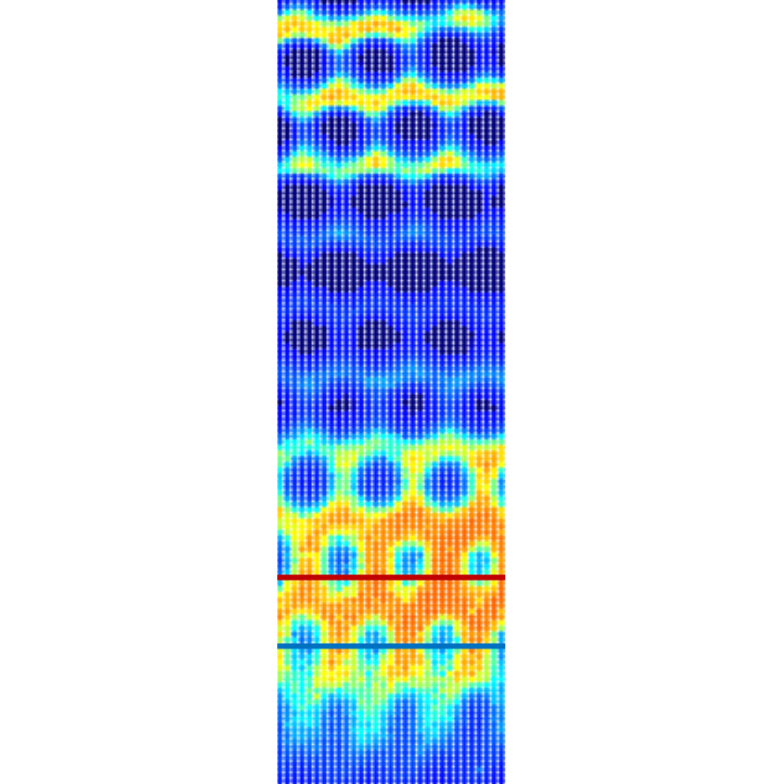
POWER GENERATION/AEROSPACE — High-Resolution Thermal Profiling of a Combustor in a Non-Dedicated Test Using Thermal History Coatings
‘The requirement for reduced emissions and the growing demand on gas turbine efficiency are in part met through increasing firing temperatures. However, development budgets leave only limited time for dedicated thermal testing. Consequently, manufacturers are seeking novel temperature measurement technologies to validate new engine designs. This paper will demonstrate how a new temperature mapping technology can be utilized for non-dedicated (multi-cycling) testing while still delivering high-resolution temperature data in a non-dedicated test on a combustor of an industrial gas turbine.’
The paper was published in the Proceedings of ASME Turbo Expo 2021: Turbomachinery Technical Conference and Exposition (Virtual), June 7-11, 2021, GT2021-59687.
Link to ASME purchase:
https://asmedigitalcollection.asme.org/GT/proceedings-abstract/GT2021/84973/V05AT11A005/1120044
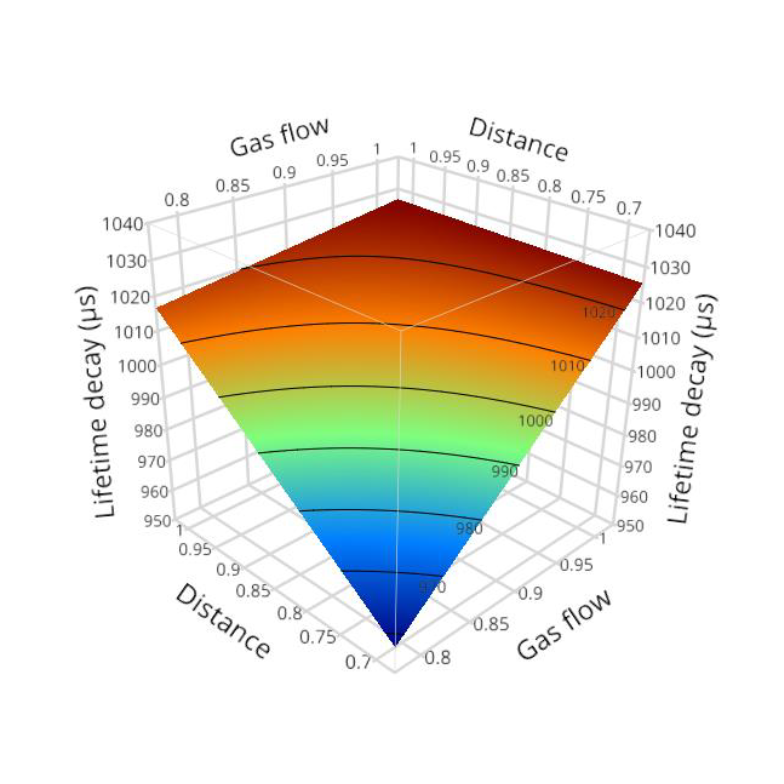
Thermal History Coatings: Part I — Influence of Atmospheric Plasma Spray Parameters on Performance
‘Firing temperatures in gas turbines have seen a steady increase over the years to allow for higher engine efficiencies and a decrease in hazardous emission levels. Conversely, these harsh conditions severely challenge the component lifetime, requiring a trade-off during the design process. Thus, it is crucial to understand temperature distribution across the majority of a component surface (>80%) to verify the design and component durability. While a range of temperature measurement techniques are available, these are primarily focused on lower temperatures, exhibit low durability (thermal paints), require line of sight (pyrometers), are destructive (thermal crystals) and only provide point measurements (thermocouples, thermal crystals).
To overcome this challenge, Sensor Coating Systems (SCS) have developed Thermal History Coatings (THCs) to measure temperature profiles in the 900–1600°C range.’
The paper was published in the Proceedings of ASME Turbo Expo 2021: Turbomachinery Technical Conference and Exposition (Virtual), June 7-11, 2021, GT2020-16004.
Link to ASME purchase:
https://asmedigitalcollection.asme.org/GT/proceedings-abstract/GT2020/84119/V003T02A010/1094601
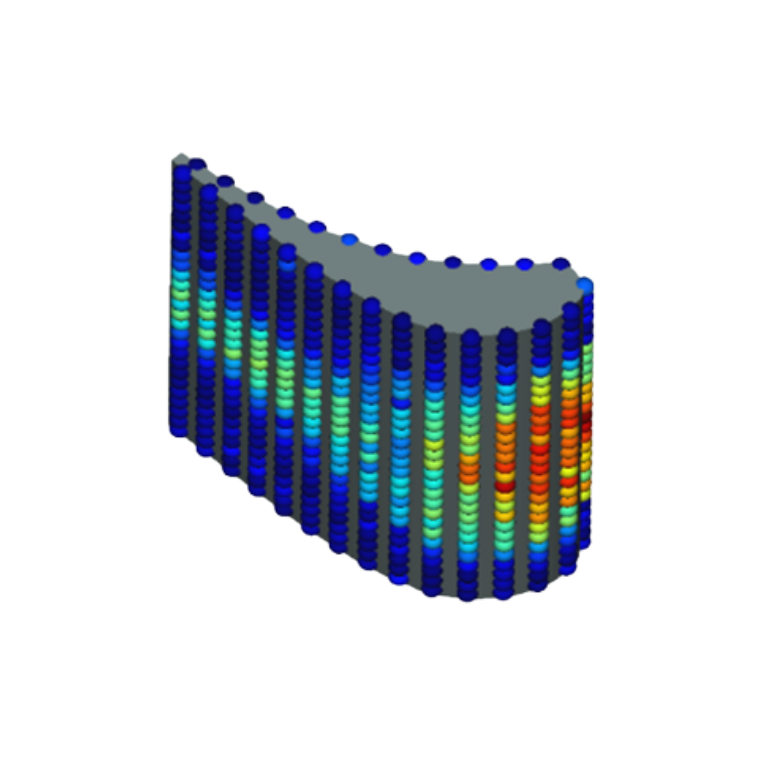
Thermal History Coatings: Part II — Measurement Capability up to 1500°C
‘To improve the efficiency of gas turbines, the turbine inlet temperature needs to be increased. The highest temperature in the gas turbine cycle takes place at the exit of the combustion chamber and it is limited by the maximum temperature turbine blades, vanes and discs can withstand. A combination of advanced cooling designs and Thermal Barrier Coatings (TBCs) are used to achieve material surface temperatures of up to 1200°C. However, further temperature increases and materials that can withstand the harsh temperatures are required for next-generation engines.’
The paper was published in the Proceedings of ASME Turbo Expo 2021: Turbomachinery Technical Conference and Exposition (Virtual), June 7-11, 2021, GT2020-16209.
Link to ASME purchase:
https://asmedigitalcollection.asme.org/GT/proceedings-abstract/GT2020/84119/V003T02A012/1094619
POWER GENERATION – Validation of Surface Temperature Measurements on a Combustor Liner
‘A Thermal History Paint (THP) was applied to the hot-gas side of a combustor component for validation against other measurement techniques such as thermocouples and classical colour changing thermal paints and to evaluate its resilience against the reacting hot gas environment.
The results demonstrate the benefits of THP’s as a new temperature profiling technique. It is shown that the THP exhibited greater durability compared to the conventional thermal paint. Furthermore, the new technology provided detailed measurements down to millimetres indicating local temperature variations and global variations over the complete component.’
The paper was published in the Proceedings of ASME Turbo Expo 2016: Turbomachinery Technical Conference and Exposition, GT2016, June 13 – 17, 2016, Seoul, South Korea, GT2016-56669,
Link to ASME purchase:
http://proceedings.asmedigitalcollection.asme.org/proceeding.aspx?articleid=2555255&resultClick=3

AUTOMOTIVE – Petrol Engine Turbocharger Components
Sensor Coating Systems (SCS) worked with a German automotive supplier to successfully deliver over 1000 temperature measurements on 4 different turbocharger components using the novel Thermal History Paint technology. The paint remained adherent on all 4 components; the turbine wheel, housing, heat shield and compressor wheel and the measurements covered a wide range, 100-1,000°C. The results provided important information in previously inaccessible locations. Learn more – SCS German Turbo Case Study v2 Final.pdf

AEROSPACE – Rotary Engine for Unmanned Aerial Vehicles
Nathan Bailey, Managing Director, AIE

AEROSPACE – Nozzle Guide Vane Segment of Small Aircraft Engine
Tomáš Jelínek, VZLÚ